
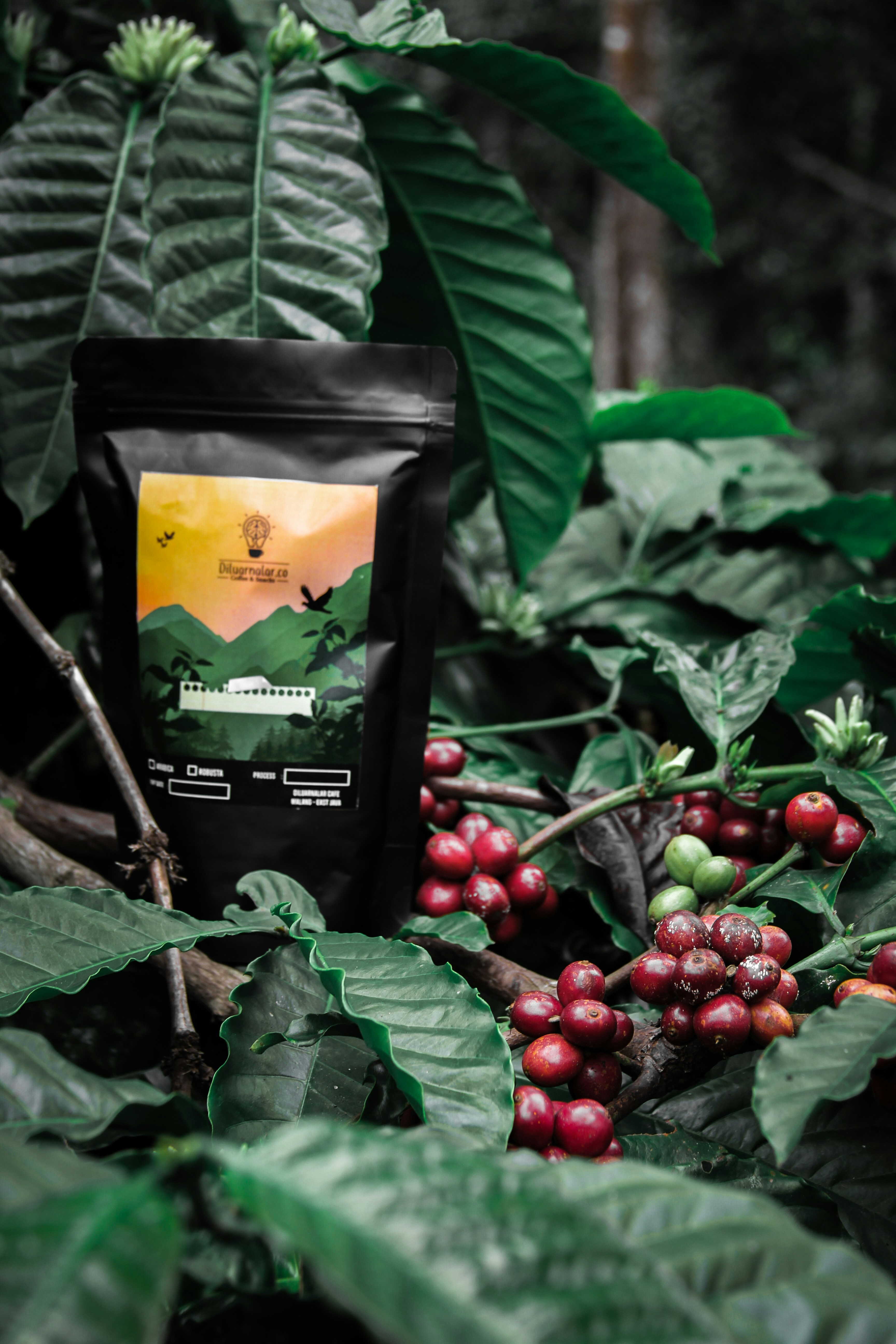
Introduction to Sustainable Coffee
Sustainable coffee is a burgeoning concept within the coffee industry, rooted in ethical sourcing practices that prioritize environmental health and social equity. Over recent years, a growing awareness of the coffee industry’s traditional practices has emerged, pointing to significant environmental and community consequences. From deforestation to unfair labor practices, the methods historically employed to produce coffee have often been detrimental not only to ecosystems but also to the livelihoods of farmers and their communities.
This increased scrutiny has led consumers to demand greater transparency in the sourcing of their coffee. People are becoming more aware of the relationship between their purchase choices and the environment, prompting many to turn towards sustainable brands that prioritize ethical practices. Sustainable coffee encompasses various aspects, including organic farming, fair trade certification, shade-grown cultivation, and engagement in community development initiatives. These factors collectively contribute to a more resilient coffee supply chain that supports both environmental stewardship and socioeconomic improvement.
As more people prioritize sustainability in their consumption choices, coffee brands are responding by adopting environmentally responsible practices and prioritizing the well-being of farmers. This shift has resulted in the emergence of numerous brands that focus on providing high-quality coffee while maintaining a commitment to ethical sourcing. The commitment to sustainability not only boosts the brand’s appeal but also cultivates a community of conscious consumers who appreciate the social and environmental implications of their daily caffeine fix.
In this blog post, we will delve deeper into specific sustainable coffee brands making a notable difference, showcasing how they balance exceptional taste with responsible practices. The rise of these brands illustrates a changing landscape in the coffee industry, where the quality of the brew is paralleled by the integrity of its production.
Spotlight on Leading Sustainable Brands
In the growing landscape of sustainable coffee, several brands have distinguished themselves through their commitment to ethical sourcing, innovative practices, and exceptional flavor profiles. Two such notable sustainable coffee brands are Equator Coffees and Counter Culture. Both brands embody the principles of fair-trade and sustainability, ensuring that every cup of coffee produced is not only enjoyable but also contributes positively to the environment and the communities involved in its production.
Equator Coffees, founded in 1995, has established itself as a leader in the ethical coffee movement. With a firm commitment to direct trade practices, Equator ensures that farmers receive fair compensation for their hard work and dedication. The brand’s emphasis on sustainability is reflected in their diversified offerings, including organic and shade-grown coffees. Their unique mushroom-infused coffee blends have garnered attention not only for their innovative approach but also for promoting health benefits associated with mushrooms. According to Helen Russell, co-founder of Equator, “Our mission is to support farmers and the environment while delivering high-quality coffee that our customers can feel good about consuming.”
Counter Culture Coffee, another pioneer in the sustainable coffee sector, places a strong focus on education and transparency. This brand has taken significant strides to minimize its carbon footprint through a myriad of sustainability initiatives, including reducing waste and implementing environmentally friendly packaging solutions. Counter Culture’s partnership with various coffee farmers ensures that they are engaged in practices that support both the ecosystem and local economies. As noted by their representative, “We believe in not just tasting great coffee but also ensuring that it is grown in a manner that is beneficial for everyone involved in its journey from the farm to the cup.”
Through their commitment to sustainable practices and innovative products, these brands have proven that coffee can be enjoyed without compromising ethical standards. As they continue to evolve and lead within the industry, their impact on the environment and the communities they serve remains significant.
Impact of Sustainable Practices on the Environment
The environmental impact of sustainable coffee production is markedly more favorable compared to conventional practices. Traditional coffee farming often leads to deforestation, soil degradation, and water pollution, contributing significantly to climate change and biodiversity loss. In contrast, sustainable coffee brands emphasize ecological balance, aiming for carbon-neutral goals and minimizing their carbon footprint. Research indicates that transitioning to sustainable coffee can reduce carbon emissions by up to 30%. This is made possible through methods such as shade-grown coffee, which preserves natural habitats and promotes biodiversity.
Water usage also represents a critical area where sustainable practices markedly improve environmental outcomes. Conventional coffee production requires extensive water resources, often leading to the depletion of local water supplies. In contrast, sustainable coffee farming adopts rain-fed irrigation systems and agroforestry practices, significantly decreasing water consumption. A report by the Rainforest Alliance shows that sustainable farms can use approximately 50% less water than their conventional counterparts, thus supporting local ecosystems and communities.
Another aspect of sustainable coffee production is its commitment to biodiversity preservation. By promoting diverse farming systems, these brands create habitats for various species, fostering a rich ecosystem that enhances soil health and resilience. Furthermore, a transparent supply chain allows consumers to understand the environmental practices of the brands they support, ensuring accountability and responsibility. This transparency empowers conscious consumer choices, encouraging more brands to adopt sustainable methods. By making informed decisions, consumers can advocate for ecological stewardship, ensuring that their coffee is not only a source of pleasure but also a vehicle for positive environmental change.
The Future of Sustainable Coffee and Consumer Choices
The future of sustainable coffee is increasingly tied to evolving consumer choices and a growing awareness of ethical consumption. As more individuals prioritize sustainability as an essential criterion in their purchasing decisions, coffee brands are recognizing the necessity to adapt their practices accordingly. This trend is propelled by a demographic shift, particularly among millennials and Generation Z, who actively seek products that align with their values regarding environmental and social responsibility.
One significant factor driving the demand for sustainable coffee is the rising preference for transparency in sourcing practices. Consumers are now more informed about the impact of their purchases and are inclined to choose brands that provide clear information about their supply chains. This awareness extends to considerations of fair trade, organic farming methods, and environmentally friendly packaging. Brands that transparently showcase their ethical practices are likely to gain a competitive edge in the market.
Innovation plays a crucial role in the future landscape of sustainable coffee. Emerging technologies, such as blockchain, are being utilized to enhance traceability and accountability within the coffee supply chain. With the implementation of these technologies, consumers can verify the origin of their coffee and ensure it meets their ethical standards. Furthermore, advancements in sustainable farming techniques, such as agroforestry and water conservation methods, are proving effective in minimizing the environmental impact associated with coffee cultivation.
As coffee drinkers become more conscious of their consumption habits, they are encouraged to explore brands that prioritize sustainability and ethical sourcing. By supporting these brands, consumers can contribute to a shift towards more environmentally responsible practices in the coffee industry. Engaging with sustainable coffee not only rewards the palate but also fosters a sense of responsibility towards the planet and its communities. This aligns with the broader movement among consumers to make choices that reflect their commitment to sustainability.